
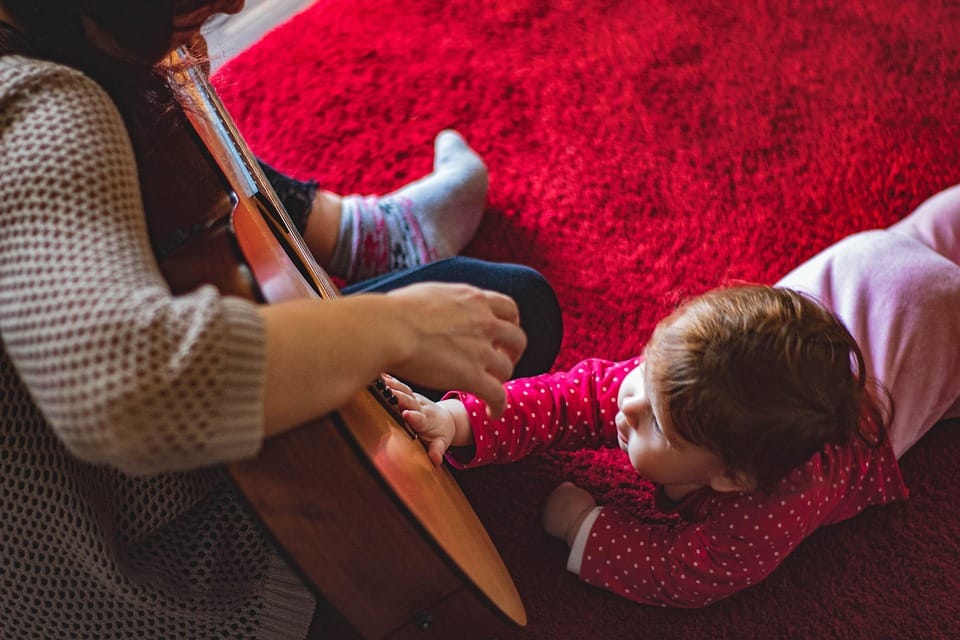
Learning is not confined to the classroom. Kids have an incredible capacity to absorb information when they are genuinely interested and engaged. The key to unlocking this potential lies in encouraging learning through curiosity, play, and conversation. By exploring diverse fun learning opportunities, we can nurture a child’s lifelong love of learning that extends from science to art and beyond. In this article, we’ll explore how diverse methods can fuel young minds effectively.
The Importance of Curiosity in Learning
Curiosity is the driving force behind discovery and innovation. It is the intrinsic motivation that inspires children to explore and ask questions. According to psychologists, fostering curiosity can lead to improved learning outcomes and cognitive development. By providing diverse opportunities for exploration, we enable children to harness their curiosity productively.
Play: The Catalyst for Engaging Education
Play is often dismissed as mere fun, but it’s actually a powerful catalyst for learning. Through play, children develop critical thinking skills, creativity, and problem-solving abilities. Whether it’s building a fort, creating a treasure map, or role-playing as a scientist, play allows children to test their ideas and collaborate with others, enhancing social skills.
Incorporating Science into Play
Science can be seamlessly woven into playtime. Creating a backyard science lab where children can conduct simple experiments using household items can stimulate their interest in scientific concepts. Exploring the natural world by observing plants, insects, or stars encourages children to ask questions about life and the universe.
Art as a Learning Medium
Art may seem unrelated to science and math, but it offers a unique medium for expression and learning. Through art, children can explore different cultures, history, and scientific concepts. Encourage children to paint, draw, or sculpt their interpretations of scientific phenomena like volcanoes, constellations, or ecosystems.
Combined Art and Science Projects
One of the excellent ways to integrate art and science is through projects that combine elements of both. Create a volcano model that erupts with baking soda and vinegar or use clay to sculpt the solar system. Such projects enable children to visualize and better understand scientific ideas while expressing their creativity.
Nurturing Learning Through Conversation
Conversations form the foundation of language development and comprehensive understanding. Engaging in meaningful dialogues with children stimulates their critical thinking and articulation. Encourage children to express their opinions and articulate their understanding of various topics.
Guided Conversations and Questions
Incorporate guided conversations and thought-provoking questions during reading sessions or visits to museums and parks. Ask open-ended questions like, “Why do you think this happens?” or “What would you do differently?” These questions can enhance a child’s critical thinking skills and boost their confidence in expressing their ideas.
Real-Life Tips for Encouraging Diverse Learning Opportunities
- Visit Local Museums and Science Centers: These places offer a wealth of hands-on learning experiences. Check for workshops and interactive sessions designed specifically for children.
- Create a Learning-Friendly Environment: Dedicate a space at home for creative and scientific exploration with books, art supplies, and science kits.
- Encourage Outdoor Exploration: Spend time in nature, whether it’s a local park or garden. Have children maintain a nature journal, documenting what they see and discover.
- Involve Children in Everyday Learning: Use real-world situations like cooking (measuring ingredients) or grocery shopping (calculating expenses) to teach math and science concepts.
- Embrace Technology and Educational Resources: Utilize reputable online resources for interactive learning opportunities. Websites like National Geographic Kids offer a wide range of educational activities and information.
Conclusion
By embracing diverse learning opportunities that span from science to art, we fuel children’s natural curiosity and facilitate a deep understanding of the world around them. Through play, art, and conversation, learning becomes an engaging journey rather than a chore. Encouraging these methods helps create a well-rounded, enthusiastic lifelong learner.
Frequently Asked Questions (FAQ)
- Why is curiosity important in learning? Curiosity drives the desire to explore and understand new concepts, leading to improved learning outcomes and cognitive development.
- How can I integrate science into my child’s playtime? Use simple experiments, nature explorations, and creative projects to weave scientific concepts into play effortlessly.
- Can art really aid in learning scientific subjects? Yes, art allows children to visually express and understand scientific concepts, making abstract ideas more tangible.
Leave a Reply