
Introduction
In an era dominated by digital devices and instant gratification, making learning enjoyable for the whole family can be a challenging task. Yet, it’s a crucial endeavor. Studies have shown that when learning becomes an enjoyable experience, retention and understanding improve significantly. Trivia Time is a fantastic way to bring learning to life by engaging curiosity, play, and conversation. This article explores various engaging ways to incorporate trivia into your family’s learning routine and provides real-life tips to enhance this educational journey.
The Power of Curiosity
Curiosity is a powerful engine that drives learning naturally and effectively. When family members are curious, their minds are more open to absorbing new information. Trivia games tap into this natural curiosity, sparking a desire to discover more. Designed thoughtfully, trivia questions can cover diverse topics such as history, science, geography, and current affairs, thereby catering to a broad range of interests and knowledge levels.
Real-life Tip: Curiosity Jar
Create a “Curiosity Jar” at home. Family members can write down things they’re curious about or would like to learn more about on slips of paper. Once a week, pick a slip from the jar and explore the topic together. This activity not only fosters learning but also encourages family bonding and conversation.
Play as a Learning Tool
Play is an integral aspect of learning, especially for children. It engages various cognitive functions and encourages problem-solving skills and creativity. By incorporating play into learning, families can create an environment where education feels less like a chore and more like an adventure.
Real-life Tip: Family Trivia Night
Organize a Family Trivia Night once a week. Use questions from trusted educational sources or create your own based on the week’s curiosity jar topic. Assign a quizmaster, keep scores, and perhaps offer small prizes for encouragement. This playful competition can enhance learning experiences while creating joyful memories.
The Role of Conversation
Conversation is a vital part of the learning process. Through dialogue, families can deepen their understanding of topics, share perspectives, and enhance critical thinking skills. Trivia games naturally lead to conversations, as they prompt players to ask questions, share knowledge, and offer explanations.
Real-life Tip: Dinner Table Discussions
Encourage dinner table discussions that revolve around trivia questions. Choose a topic of the day or allow family members to bring up trivia they found fascinating. Discussing these topics not only builds knowledge but also helps in developing communication skills and family connections.
Integrating Technology
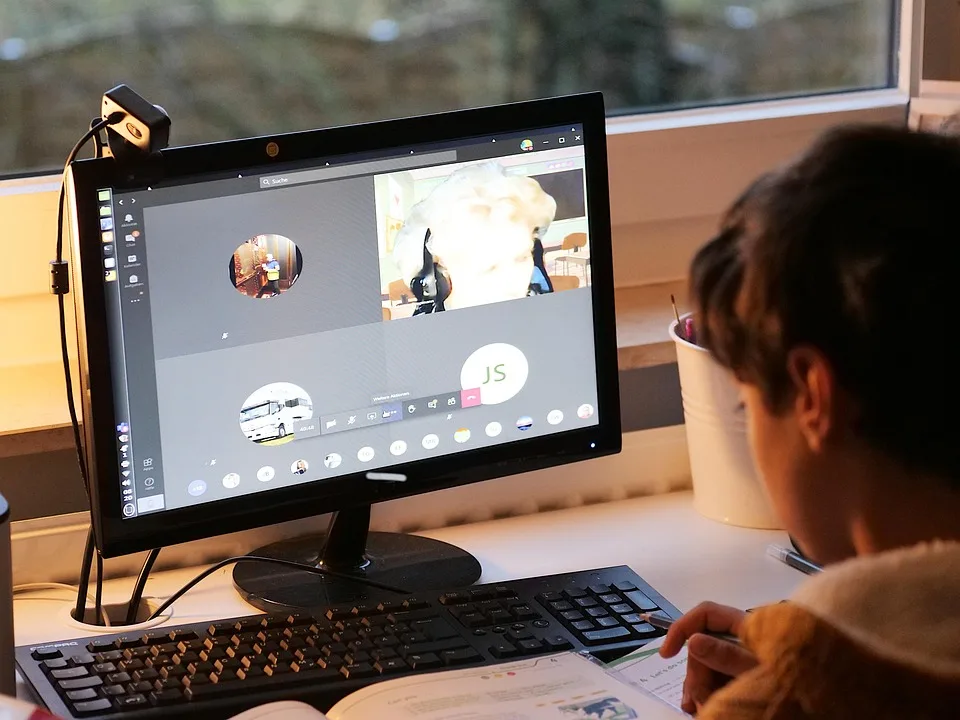
While some may worry about the overuse of technology, it can be effectively leveraged to support family trivia activities. There are numerous apps and online platforms that offer themed trivia games that can cater to various ages and interests.
Trusted Source
According to Edutopia, integrating arts and technology into learning can significantly enhance engagement and understanding. By using educational apps and resources like Kahoot or Quizlet, families can explore various subjects in an interactive format that keeps everyone involved and interested.
Conclusion
Trivia Time is more than just playing a game; it is about creating an immersive learning environment that is engaging and comprehensive for the whole family. By fostering curiosity, incorporating play, encouraging conversation, and sensitively integrating technology, families can make learning a joyful and enriching experience. As you bring these ideas into your home, remember that the goal is not only to learn facts but to cultivate a lifelong love for learning within each family member.
FAQ
What types of trivia questions are best for mixed-age families?
Choose questions that can be scaled in difficulty or split into categories. For example, younger members might answer general knowledge or fun facts, while older participants tackle more complex subjects like history or science.
How can I find reliable trivia questions?
Use reputable educational sites like National Geographic Kids or Edutopia for inspiration and sources of verified information. Creating your questions based on these resources ensures accuracy and relevance.
How often should we have trivia sessions?
This depends on your family’s schedule. Weekly or bi-weekly sessions work well for most families, providing consistent yet flexible opportunities to learn and engage together.
How can trivia help with critical thinking?
Trivia encourages reasoning and problem-solving as participants analyze questions and form logical connections. Over time, this practice enhances critical thinking abilities.
Embrace Trivia Time and transform learning into an exciting family adventure!
Leave a Reply