
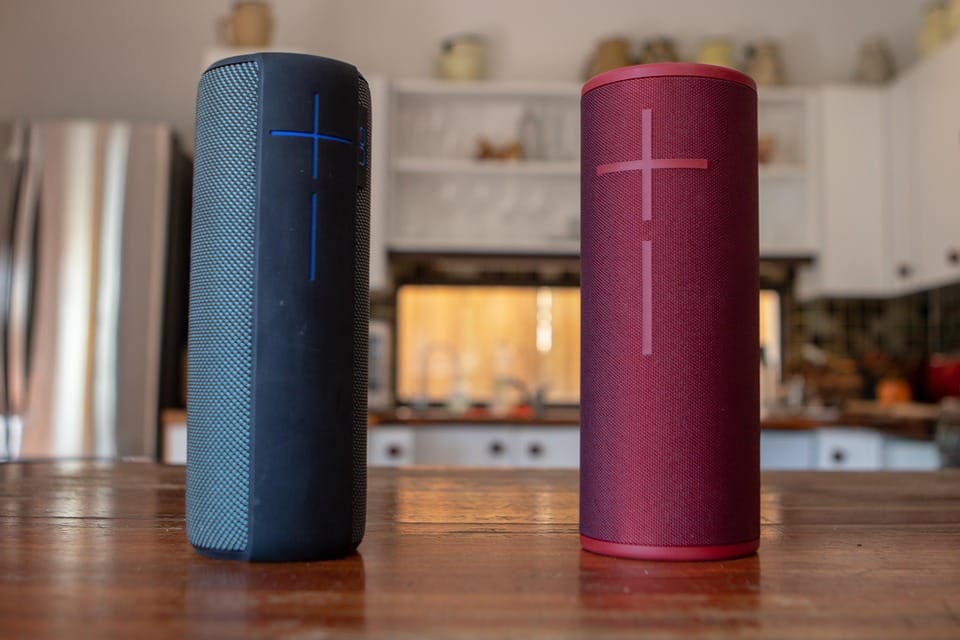
Voice-activated smart speakers have revolutionized how families interact with technology, offering not just convenience but also a wealth of educational opportunities. These devices are transforming households, providing children with interactive learning experiences that are both fun and educational. In this article, we explore the many ways kids can benefit from smart speakers and highlight how families can maximize their use.
The Rise of Smart Speakers in Homes
Smart speakers, such as Amazon Echo, Google Home, and Apple HomePod, have become commonplace in homes around the world. According to MIT Technology Review, the adoption of smart speakers has surged due to their ability to perform a multitude of tasks through simple voice commands. Families are leveraging this technology for various functions, from managing household chores to supporting children’s education.
Engaging Educational Skills for Kids
Language Development
Voice assistants like Alexa and Google Assistant can aid language acquisition for young children. Through engaging games and storytelling sessions, kids can improve their vocabulary and language skills. For instance, Alexa’s "Kid Skills" includes options such as "Animal Workout" and "Disney Stories," which encourage kids to listen actively and respond to prompts.
Mathematics and Problem Solving
Smart speakers offer countless math-related skills designed to make learning numbers and basic arithmetic fun. Applications such as "Number Master" on Google Home challenge kids to solve math problems, turning a challenging subject into an enjoyable experience. These activities help children develop essential problem-solving skills that are crucial for academic success.
Music and Creativity
Music is another area where smart speakers shine. Devices can play educational songs that teach children about various subjects, from the alphabet to environmental science. Music-based games, like "Musical Chairs" and "Guess the Song," promote creativity and help children develop an appreciation for rhythm and melody.
Encouraging Interactive Learning
Science Exploration
Through interactive quizzes and experiments, smart speakers introduce scientific concepts in a playful way. Skills such as "Science Kid" allow kids to ask questions and receive answers about weather, animals, and more, satisfying their natural curiosity and fostering a love for science from a young age.
Reading and Literature
For parents seeking to instill a love for reading, voice assistants can be invaluable tools. By playing audio stories and encouraging children to ask questions, devices enhance listening skills and comprehension. Google Assistant’s "StoryTime" can read stories aloud, offering a bedtime ritual that nurtures a deep connection to literature.
Personalized Learning Experiences
Smart speakers adapt to individual learning paces and preferences, ensuring that each child receives customized educational support. Parents can select skills that align with their child’s interests and academic levels, promoting continuous development in an engaging manner.
Family Bonding and Collaboration
Cooperative Games
Smart speakers include multiplayer games that the entire family can enjoy together. Games such as "Jeopardy!" and "20 Questions" are not only fun but also encourage teamwork and critical thinking. These activities strengthen family bonds and cultivate a collaborative learning environment.
Daily Routines and Time Management
Families can use voice technology to manage daily schedules by setting reminders, alarms, and timers. This capability helps children develop time management skills, making routines smoother and promoting responsibility in completing tasks like homework and chores.
Privacy and Safety Considerations
Ensuring Safe Interactions
While smart speakers provide numerous benefits, privacy is an important concern. Parents should review settings to control what data is collected and ensure that voice interactions are secure. According to Common Sense Media, selecting child-friendly skills and enabling parental controls can help prevent unauthorized purchases and interactions with inappropriate content.
Conclusion
Smart speakers have emerged as valuable tools in modern education, offering families innovative ways to integrate learning into everyday life. By harnessing the fun and educational capabilities of voice technology, parents can support their children’s growth across various domains, from language to science.
The potential of smart speakers extends beyond simple convenience; they are reshaping home learning environments by encouraging curiosity, creativity, and collaboration. As technology continues to evolve, smart speakers will undoubtedly play an increasingly prominent role in fostering lifelong learning and exploration within families.
By embracing these versatile devices, families can create enriching experiences that empower children to learn and thrive in an engaging, interactive environment.
Leave a Reply