
Curiosity is the engine of intellect. It’s the spark that ignites the flame of lifelong learning, especially in children. Harnessing curiosity through fun, educational activities encourages families to explore, learn, and grow together. This article delves into the power of questions as a tool for unlocking curiosity and provides actionable tips for fostering an engaging learning environment at home.
The Power of Questions
Questions drive exploration and discovery. They compel us to look beyond the surface and delve deeper into the why and how of our world. For children, questions are a gateway to understanding their environment, themselves, and the broader world. Encouraging curiosity through questioning is a catalyst for imagination, critical thinking, and problem-solving—skills essential for success in an ever-changing world.
How Questions Promote Learning
Stimulate Critical Thinking: Asking "Why?" encourages children to think critically and rationalize their thoughts.
Enhance Comprehension: Questions like "How does this work?" or "What happens next?" build comprehension and prediction skills.
- Encourage Exploration: Open-ended questions such as "What do you think would happen if…?" inspire exploration and creativity.
Creating a Curious Learning Environment
1. Embrace the Child’s Interests
Children are naturally curious about topics that interest them. To nurture this curiosity, embrace their interests by connecting learning activities to what they love. If your child is fascinated by dinosaurs, explore books, documentaries, or museum exhibits together.
Real-Life Tip
Create a "Question of the Day" board where family members can post a question they’re curious about. Spend time researching and discussing the answers together.
2. Encourage Play-Based Learning
Play is a powerful medium for learning. Through play, children experiment, discover, and understand the world around them.
Real-Life Tip
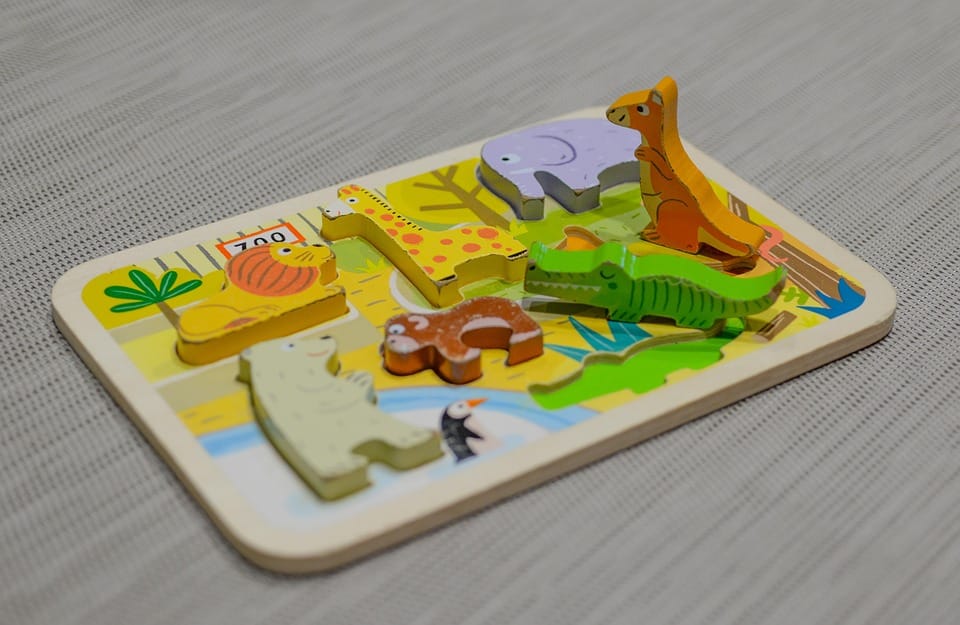
Incorporate educational toys and games that promote learning. Building blocks, puzzles, and science kits are enjoyable ways to explore concepts in STEM (Science, Technology, Engineering, and Mathematics).
3. Foster a Culture of Conversation
Family conversations are golden opportunities for learning. Encourage open dialogue and exchange of ideas at home.
Real-Life Tip
Dinnertime discussions can be more engaging by incorporating storytelling. Share a story related to a topic of interest and follow up with questions to encourage discussion and critical thinking.
4. Provide Access to Resources
Equip your home with access to books, educational videos, and online resources. These tools can spark new questions and inspire deeper learning.
Real-Life Tip
Visit your local library regularly. Libraries are treasure troves of knowledge where children can explore various subjects. Make it a family outing and choose books together.
5. Encourage Outdoor Exploration
Nature is a vast, open classroom. Time spent outdoors can evoke a sense of wonder and curiosity.
Real-Life Tip
Create a nature journal. During walks, collect leaves, observe insects, and draw what you see. Ask questions like "Why do you think leaves change color?" or "How do ants work together?"
Trusted Resources for Curious Minds
Utilizing trusted, educational resources can significantly enhance the learning experience. One excellent source is National Geographic Kids, which offers a wealth of information on nature, wildlife, science, and adventure.
Conclusion
Incorporating curiosity-driven learning into your family routine encourages lifelong education and exploration. By fostering an environment rich in inquiry, dialogue, and discovery, you’re not only helping your child succeed academically but also nurturing their innate sense of wonder.
FAQ
How can I encourage my shy child to ask more questions?
Start by asking them questions and providing a safe space for them to express their thoughts. Praise their questions and provide thoughtful answers.
What if I don’t know the answer to their question?
Use this as an opportunity to learn together. Look up the answer together using books or trusted online sources.
How can technology be used to encourage curiosity?
Use educational apps and websites to explore new subjects, play educational games, and watch documentaries. Remember to balance screen time with other activities.
By unlocking curiosity through play, questions, and conversation, families can foster a shared love of learning that benefits everyone.
Leave a Reply